Key takeaways
Fill, sign, and submit Agree II Instrument from any browser — or have AI generate a custom version in seconds. No installs, no printing, no back-and-forth.
- The AGREE II Instrument (Clinical Practice Guideline Evaluation) is a tool used by healthcare professionals to assess clinical practice guideline quality.
- Users rate guidelines across six domains, including scope and purpose, stakeholder involvement, and the rigor of the development process.
- Researchers and policymakers use this form to evaluate the clarity of presentation, applicability, and editorial independence of medical guidelines.
- Each section contains specific criteria that must be rated on a scale to determine the overall quality of the healthcare guideline.
- This instrument does not have a set filing deadline or specific signing requirements according to its internal documentation.
- No additional attachments or supporting documents are required to complete the evaluation according to the form's layout.
What is Agree II Instrument?
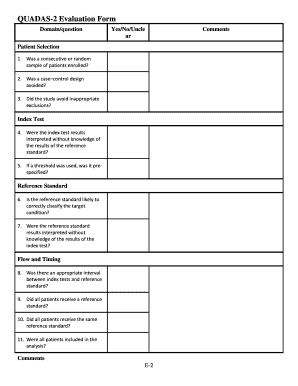
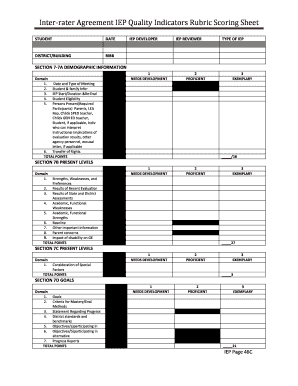
AGREE II Instrument is a specialized form used to evaluate the quality of clinical practice guidelines. This tool provides a systematic framework for healthcare professionals, researchers, and policymakers to assess the developmental process and reporting of medical recommendations. By utilizing this instrument, evaluators can determine the overall quality of a guideline and decide whether it is suitable for implementation in clinical settings. It serves as a standardized method for clinical practice guideline evaluation across various sectors of the healthcare industry.
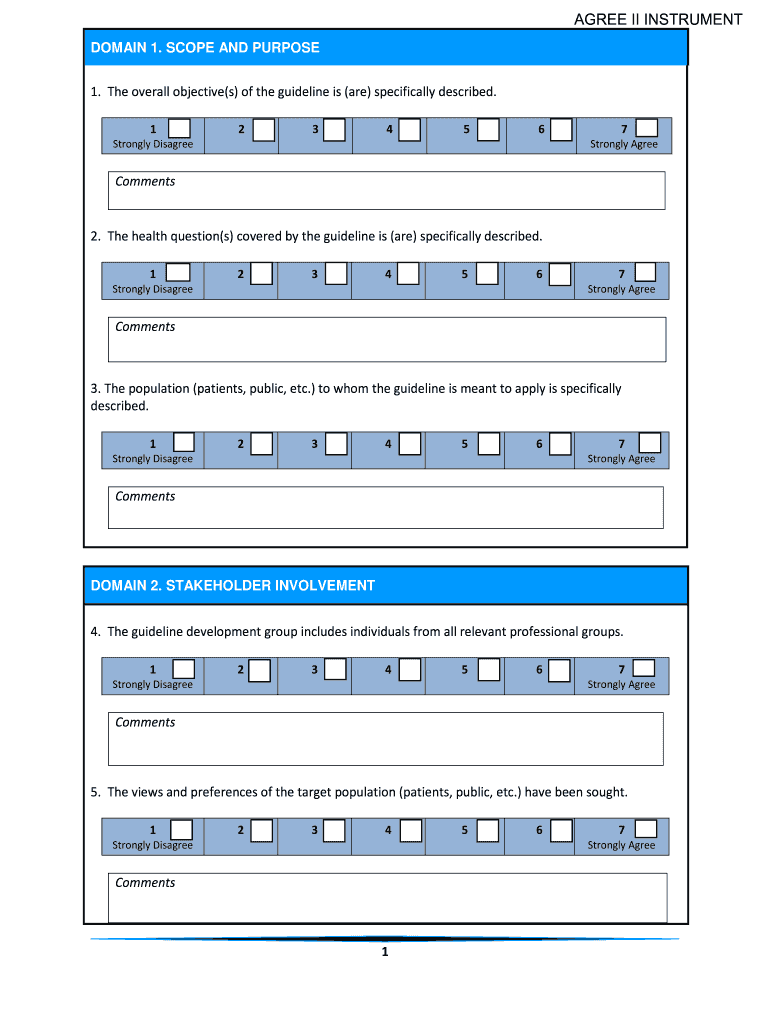
The document is organized into several distinct domains that capture specific aspects of guideline development and reporting. These sections include assessments of the scope and purpose, stakeholder involvement, and the rigor of development. Additionally, the form evaluates the clarity of presentation, the practical applicability of the recommendations, and the editorial independence of the authors. Each domain contains specific criteria that are rated on a scale to provide a comprehensive overview of the guideline's strengths and potential limitations.
The issuing authority for this document is not specified.
Who needs the Agree II Instrument — and who doesn't
Not everyone files Agree II Instrument. The checklist below tells you whether it applies to your situation — and points you to the right alternative if it doesn't.
You need this Agree II Instrument if…
- you are a healthcare professional who needs to rate the scope, purpose, and clarity of a clinical guideline.
- you are a researcher evaluating the editorial independence and stakeholder involvement of medical protocols.
- you are a policymaker assessing the applicability of a guideline to ensure it meets healthcare quality standards.
You do not need this Agree II Instrument if…
- you are not involved in the evaluation or implementation of medical guidelines or clinical practice standards.
Why you need the Agree II Instrument
Why people fill out Agree II Instrument, and what tends to go wrong when they don't.
-
Evaluate Guideline Quality Use the AGREE II Instrument to systematically assess the quality of clinical practice guidelines, ensuring that medical recommendations are developed with transparency and high methodological standards for patient care.
-
Analyze Key Domains Review specific criteria across domains like stakeholder involvement and rigor of development. This structured approach helps you identify strengths and weaknesses in the evidence-gathering process of any healthcare guideline.
-
Facilitate Professional Collaboration Healthcare professionals and researchers can use this tool to create a shared understanding of guideline reliability. Sharing these evaluations helps teams reach a consensus on which medical protocols to implement.
-
Manage Assessments Digitally Complete the AGREE II Instrument online using pdfFiller to fill, edit, and manage your evaluations. The platform provides secure encrypted storage and allows you to share results via email or link.
What each section of Agree II Instrument means
Every section explained — what it's asking, the records you'll need on hand, and the mistakes that most often cause a rejection or follow-up request.
| Scope and Purpose | Evaluate the specific objectives and clinical questions covered by the guideline to ensure the overall aim and target population are clearly defined and documented. |
|---|---|
| Stakeholder Involvement | Rate the extent to which the guideline was developed by appropriate professional groups and reflects the views and preferences of the intended target users. |
| Rigor of Development | Assess the methods used to gather and synthesize evidence, the process for formulating recommendations, and the procedures for updating the guideline over time. |
| Clarity of Presentation | Review the language, structure, and format of the guideline to ensure that recommendations are specific, unambiguous, and easy for healthcare providers to identify. |
| Guideline Applicability | Consider the likely barriers and facilitators to implementation, the potential resource implications, and the tools provided to help apply the guideline in practice. |
| Editorial Independence | Determine if the views of the funding body have influenced the content and ensure that any competing interests of development group members are recorded. |
How to fill out Agree II Instrument using pdfFiller
A walkthrough from the first field to the signature line. With your records in front of you, most people finish in under ten minutes.
-
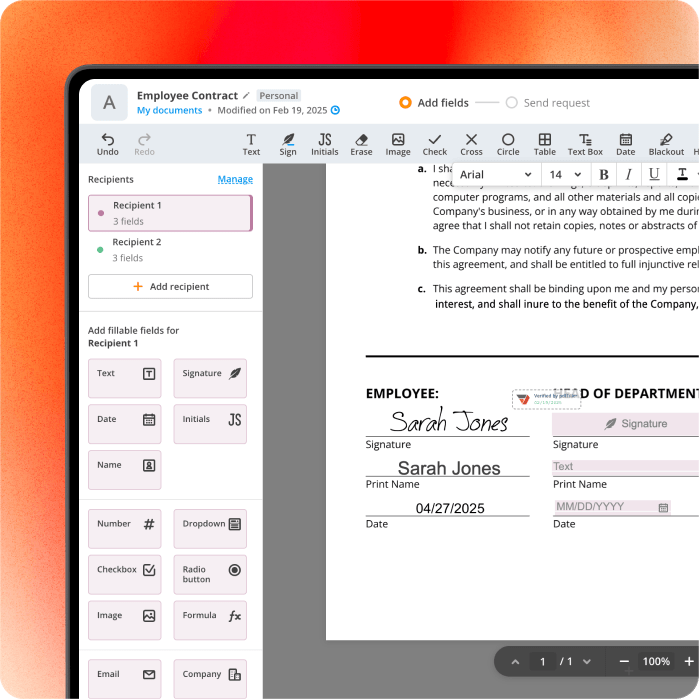
Open the Instrument Click Get Form to open AGREE II Instrument in the pdfFiller editor to start evaluating your guidelines using the platform's comprehensive set of professional editing tools.
-
Address Scope and Purpose Use the interactive tools to complete the domain assessing the scope and purpose of the guidelines, rating the specific criteria as presented in the evaluation form.
-
Assess Stakeholder Involvement Navigate to the stakeholder involvement section and click to select the rating on the scale that best assesses the involvement of stakeholders in the guideline development.
-
Evaluate Development Rigor Fill out the domain to assess the rigor of development by selecting the appropriate rating for each criterion using the pdfFiller editor's selection or text tools.
-
Rate Presentation Clarity Evaluate the clarity of presentation by clicking the fields to provide a rating for each criterion, ensuring the assessment reflects how clearly the guideline information is presented.
-
Complete Final Domains Complete the final sections for applicability and editorial independence by providing ratings for the criteria that assess these specific domains within the clinical practice guideline evaluation.
-
Review and Save Review your healthcare guideline assessment for any missing ratings or errors, then click the Done button to save the completed document to your secure pdfFiller account.
-
Download or Share Download the finished PDF to your device or use pdfFiller to share the document with others via email, fax, or a link as needed.
Key terms used in Agree II Instrument
A one-sentence glossary of the Agree II Instrument terms and concepts you'll see throughout this guide.
- Scope and Purpose
- A domain used to evaluate the overall scope and intended purpose of clinical practice guidelines.
- Stakeholder Involvement
- A domain used to assess the involvement of relevant stakeholders in the guideline development process.
- Rigor of Development
- A domain used to assess the rigor and process followed during the development of guidelines.
- Clarity of Presentation
- A domain used to assess the clarity and format of the presentation within a guideline.
- Applicability
- A domain used to assess the applicability of guidelines within their intended healthcare contexts.
- Editorial Independence
- A domain used to assess the editorial independence of the guidelines being evaluated.
Frequently asked questions about Agree II Instrument
Quick answers to the questions we hear most often about completing the Agree II Instrument.
The AGREE II Instrument is a tool used for clinical practice guideline evaluation to ensure healthcare quality. It provides a structured framework for professionals to assess various aspects of medical guidelines, ensuring they meet high standards of transparency before implementation. This assessment helps determine if recommendations are based on solid evidence and a reliable development process.
Healthcare professionals, researchers, and policymakers typically use the AGREE II Instrument to perform a healthcare guideline assessment. This form is essential for anyone involved in the creation, evaluation, or selection of clinical practice guidelines. It ensures that the guidelines are developed through a rigorous process and are suitable for use in diverse medical environments.
This medical guideline evaluation form covers six key domains: Scope and Purpose, Stakeholder Involvement, Rigor of Development, Clarity of Presentation, Applicability, and Editorial Independence. Each domain contains specific criteria that allow evaluators to rate the guideline's quality across a broad spectrum of factors. This comprehensive approach provides a thorough overview of the guideline's strengths and weaknesses.
In this healthcare quality assessment, the Rigor of Development section focuses on the evidence-gathering and recommendation formulation processes. It examines the methods used for searching and selecting evidence, as well as how final recommendations were reached. This domain ensures the guideline is scientifically sound and that its conclusions are supported by the data presented.
You can fill out, complete, and share the AGREE II Instrument using the pdfFiller online platform. pdfFiller allows users to edit the form directly in their web browser, add annotations or stamps, and then share the finished evaluation via email or a secure link. This makes the assessment process more efficient for collaborative research teams.
The Stakeholder Involvement section evaluates the extent to which the guideline represents the views of its intended users and relevant professional groups. This domain ensures that the development group included individuals from all relevant professional disciplines. It also checks if the views and preferences of the target population, such as patients, were sought.